Quick answer
The Amish live without grid power by using wood, propane, kerosene, batteries, water and muscle in place of the power line. You can learn the same skills in stages: water first, then heat, food and light.
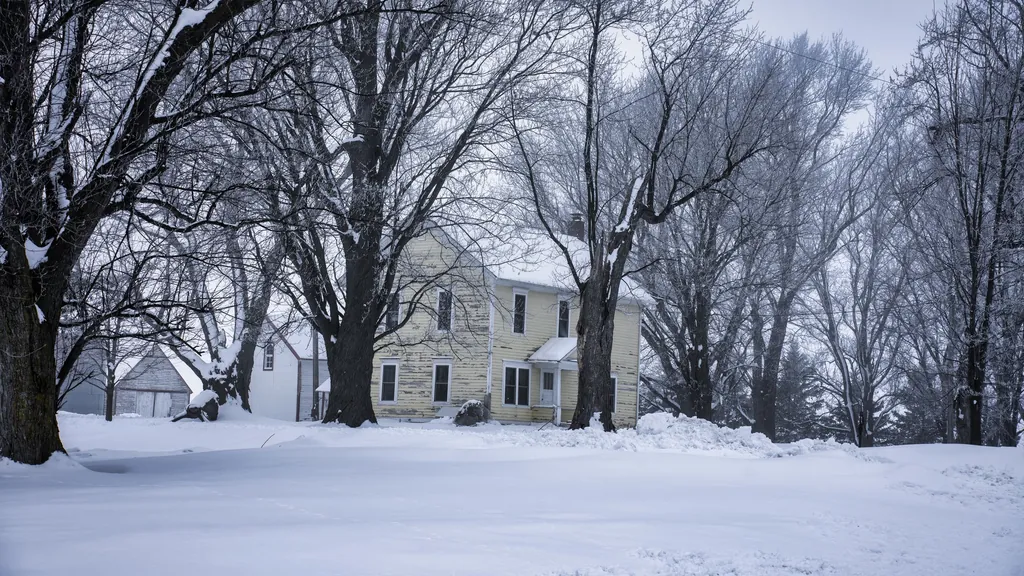
How the Amish actually live without electricity
Many people think the Amish reject technology. It is more accurate to say they use it selectively. They weigh a tool by what it would do to family and community life.[1] Most Amish groups do not use electricity from public utility lines. Battery power is more local and independent, and in some settlements solar panels charge batteries or run electric fences.[1] Many households also use engines, propane, compressed air and water power.
This collection borrows that approach. You keep the same comforts by replacing grid power with other energy sources.
| Energy source | What it powers in an Amish home | Your takeaway |
|---|---|---|
| Wood | Cookstove, heating stove, hot water, canning | Your main source of heat and cooking. A winter of wood heat takes several cords (see Guide 3). |
| Propane or natural gas | Refrigerator, freezer, water heater, gas lamps, some cookstoves | Stores well and runs quietly without electricity. Every gas appliance must be vented properly.[2] |
| Kerosene, white gas (naphtha), oil | Lamps, lanterns, pressure lanterns | Light after dark. Store fuel in approved containers, away from the house and any heat. |
| Muscle (people, horses, mules) | Fieldwork, transport, pumping, washing, grinding | Your most dependable power, and it reproduces itself. |
| Wind, water, gravity | Windmill pumps, gravity-fed water, springhouses | Free power that runs for decades with simple upkeep. |
| Diesel engine (shop use) | Line shafts, air compressors, hydraulic pumps | One engine can run a whole workshop by air or oil pressure. |
| Batteries and small solar (in some communities) | Buggy lights, flashlights, electric fences | A small, local supply that is never tied to the grid.[1] |
Rules vary by church district. Each district follows its own Ordnung, a set of rules that are usually unwritten and passed on by practice and oral tradition.[3] Some groups allow more technology than others. The vast majority of Amish homes have indoor bathrooms, while members of the most traditional groups use outhouses. Most groups put battery lights on their buggies, while the most conservative use kerosene lanterns.[4] Treat this collection as a menu, not a fixed rulebook.
What actually carries them through is community. After a fire or flood, Amish neighbors rally to clean up and rebuild, and many communities keep an informal aid plan for members with large bills.[5] If you want to live with less grid power, build a network of neighbors early.
What replaces every electric appliance
Most common electric appliances have a working non-electric replacement that Amish households use today. Each one is covered in the guide listed in the last column.
| Electric item | Amish replacement | Low-budget fallback | Guide |
|---|---|---|---|
| Refrigerator | Propane (absorption) refrigerator | Icebox, springhouse or root cellar, checked with a thermometer | 3 |
| Freezer | Propane freezer; a rented frozen-food locker in town | Canning, drying, salting, smoking instead of freezing | 3, 4 |
| Electric or gas range | Wood cookstove with oven and water reservoir | Outdoor fire pit, Dutch oven, rocket stove (outdoors only) | 3 |
| Furnace or central heat | Wood or coal stove in the main room; open doors carry heat | Layered clothing, quilts, heat one room only | 3 |
| Water heater | Stove reservoir, kettle, propane water heater | Black-tank solar shower; water heated on the stove | 2 |
| Well pump | Windmill, hand pump, gravity tank, hydraulic ram pump | Rain catchment with a filter, then disinfection | 2 |
| Light bulbs | Kerosene lamps, mantle lamps, propane wall lamps, pressure lanterns | Candles, oil lamps, battery lanterns | 3 |
| Washing machine | Gas-engine wringer washer; hand wringer | Washboard, tub, plunger washer | 6 |
| Clothes dryer | Clothesline outdoors; drying rack by the stove | The same | 6 |
| Power tools | Diesel line shaft, pneumatic (air) and hydraulic tools | Hand tools: saw, brace and bit, plane, chisel | 5 |
| Car | Horse and buggy; hired driver for long trips | Bicycle, cart, walking | 5 |
| Sewing machine | Treadle sewing machine | Hand sewing | 6 |
| Phone and internet | Shared phone shanty at the end of the lane; letters; community newspapers | Community bulletin board, weekly visits | 6 |
| Air conditioning | Shade trees, cross-ventilation, summer kitchen, high ceilings | Wet cloths, early and late work hours | 3 |
Transition plan: 30 days, first season, first year
Take about a year to move away from grid power, in the order that keeps people safe: water, heat, food, light, then everything else. Amish children learn these skills over many years at home. Practice each one while you still have power to fall back on.
Phase 1: First 30 days (get through a power outage)
Phase 2: First season (3 to 6 months)
Phase 3: First year (self-reliant)
Master supply and tool checklist
The list below covers core gear for a household of four. Quantities are suggestions, not rules. Buy used whenever you can.
| Category | Item | Qty | Notes |
|---|---|---|---|
| Water | Hand pump (pitcher pump or deep-well pump) | 1 | A pitcher pump only reaches shallow water. A deep-well pump reaches much deeper |
| Water | Gravity water filter | 1 | Plus spare elements. Disinfect filtered water too (see Guide 2) |
| Water | Food-grade rain barrels or a cistern | 4+ | Or a food-grade IBC tote |
| Water | 5-gallon buckets with lids | 10 | Hauling, storage, toilet, washing |
| Heat and cooking | Wood cookstove | 1 | Look for a water reservoir, a warming closet, and a stove tested by a qualified testing lab[9] |
| Heat and cooking | Cast iron: 12 in skillet, Dutch oven, griddle | 3+ | They last for generations |
| Heat and cooking | Chainsaw or bucksaw, splitting maul, wedges, axe | 1 set | Plus files and bar oil |
| Heat and cooking | Chimney brush | 1 | Also have the chimney inspected and cleaned each year by a professional[9] |
| Light | Kerosene lamps | 4 | Plus spare wicks and chimneys |
| Light | Mantle lamp | 1 to 2 | Use the fuel the maker names[7] |
| Light | Kerosene or white-gas fuel | Only what local fire code allows | In approved fuel cans, away from the house and any heat |
| Food | Pressure canner and water-bath canner | 1 each | Plus jars, new lids and rings. Read Guide 4 before you start |
| Food | Hand grain mill | 1 | Grinds wheat, corn, oats |
| Food | Food dehydrator screens or a solar dryer | 1 | Build your own from window screen |
| Food | Crocks for sauerkraut and pickles | 2 | Glazed stoneware |
| Garden | Spade, hoe, rake, wheel hoe, wheelbarrow | 1 each | A wheel hoe saves hours of weeding |
| Garden | Open-pollinated seed | 1 year + spare | So you can save your own seed |
| Laundry and sewing | Wringer, 2 to 3 tubs, washboard, plunger washer | 1 set | A gas-engine wringer washer if you have the budget |
| Laundry and sewing | Treadle sewing machine, needles, thread, fabric | 1 | Plus a darning egg and patches |
| Tools | Hand saws, brace and bit, chisels, plane, hammer, files, whetstones | 1 set | Learn sharpening first |
| Safety | CO alarms and smoke alarms (battery or battery backup) | 3+ | CO alarms near every sleeping area[2]. Smoke alarms inside and outside each bedroom and on every level[10] |
| Safety | Fire extinguishers (ABC) | 2+ | One in the kitchen, one by the stove |
| Health | First-aid kit and a basic home health reference | 1 | See Guide 6 |
How to use this collection
The five chapters below cover daily life without grid power. Read this one first, then follow the transition plan above.
Figures across the guides are typical ranges, not exact rules. Adjust them for your climate, household size, and local building and health codes. For wiring, gas lines and canning questions, ask a licensed electrician, a licensed gas fitter or your county extension office.
The five guides
- Guide 2Water and Sanitation Without the GridGet water without a pump motor, make it safe to drink by boiling, bleach or sun, heat it on the stove, and handle waste the way Amish homes do.
- Guide 3Heat, Cooking, Light and Cold StorageWood heat, the wood cookstove, lamps and lanterns, and keeping food cold without a plug, with the fire and carbon monoxide safety steps that go with them.
- Guide 4Growing, Preserving and Storing FoodGrow, can, dry, ferment and cure food the Amish way, with tested canning steps, the right canner for each food, and safe storage without a fridge.
- Guide 5Power, Tools, Horses and Getting AroundHow Amish shops run machinery with engines, air and hydraulics, the hand tools that keep working, caring for horses, and travel without a car.
- Guide 6Household, Health and CommunityWash day without power, sewing, soap and candles made safely, a Red Cross first aid kit, when to call 911, and the community habits that hold it together.
The modern backup
Most of us are not leaving the grid for good. We want to get through a few days without power. The modern backup for each Amish skill is simple: stored water, a camp stove used outdoors, battery lanterns, warm layers, a plan for the food in the fridge, and a portable power station or generator for a few key needs.
If you run a generator, keep it outdoors and more than 20 feet from windows, doors and vents.[2] Connecting a generator or battery to your home's wiring is a job for a licensed electrician.
- What to do when the power goes out: the first hour, the first night and the first three days.
- Food safety in a power outage: what to keep and what to toss.
- Winter storm checklist: before, during and after the storm.
- How to keep pipes from freezing: prevention and what to do if a pipe freezes.
Common questions
Do the Amish use any electricity?
Most Amish groups do not use electricity from public utility lines. Many use batteries, and in some settlements solar panels charge batteries or run electric fences.[1] Rules vary by church district.
Where should I start if I want to rely less on the grid?
Start with water, then heat, food and light. Store at least 1 gallon of water per person per day and aim for a 2-week supply.[6] Then work through the 30-day checklist above.
Sources
- Technology Young Center for Anabaptist and Pietist Studies, Elizabethtown College (Amish Studies), accessed November 14, 2026
- Carbon Monoxide Poisoning Basics Centers for Disease Control and Prevention (CDC), accessed November 14, 2026
- Regulations Young Center for Anabaptist and Pietist Studies, Elizabethtown College (Amish Studies), accessed November 14, 2026
- Diversity Young Center for Anabaptist and Pietist Studies, Elizabethtown College (Amish Studies), accessed November 14, 2026
- Mutual Aid Young Center for Anabaptist and Pietist Studies, Elizabethtown College (Amish Studies), accessed November 14, 2026
- How to Create an Emergency Water Supply Centers for Disease Control and Prevention (CDC), accessed November 14, 2026
- FAQs Aladdin Mantle Lamp Company (manufacturer), accessed November 14, 2026
- Beginner rainwater harvesting system tips Texas A&M AgriLife, accessed November 14, 2026
- Fireplace and Wood Stove Safety (outreach card) U.S. Fire Administration (FEMA), accessed November 14, 2026
- Smoke alarms U.S. Fire Administration (FEMA), accessed November 14, 2026
How this guide was made
This guide was drafted with AI writing tools, working from common Amish practice and the sources listed on this page. A separate fact-checking pass opened every cited source and checked each number, threshold and instruction against it; anything a source did not support was rewritten or removed. This page was reviewed by Marcus L. Barber on November 15, 2026. The photo is a licensed stock photo from Pexels (credit under the photo). It is not a photo of Marcus's home.
Amish practice varies by church district, and no Amish community or person has endorsed this guide or any product mentioned on this site.
This page has not been reviewed by a licensed electrician or food-safety professional. See our editorial standards. Spot an error? Email partners@digitalsolomon.com.