Quick answer
Insulate pipes near outside walls and in crawl spaces and attics, disconnect garden hoses, and keep the heat on and set no lower than 55 degrees [2]. On very cold nights, let a faucet drip and open the cabinet doors under sinks [5]. If a pipe freezes, thaw it slowly with warm air from a hair dryer, and never use a torch or any other open flame [5] [3].
Do this first
If a hard freeze is coming tonight, these steps do the most good in the least time.
- Find your main water shutoff and make sure the adults and older children in your home know how to turn it off [1].
- Disconnect garden hoses. Shut off and drain the pipes that lead to outside faucets [2].
- Keep the heat on and set no lower than 55 degrees [2]. Keep the thermostat at the same setting day and night during a cold snap [3].
- Open the kitchen and bathroom cabinet doors so warm air can reach the pipes [3].
- Let hot and cold water trickle at night from a faucet on an outside wall [2].
- Keep the garage door closed if there are water lines in the garage [3].
Never thaw a pipe with a flame
Do not use a blowtorch, a kerosene or propane heater, a charcoal stove or any other open flame on a frozen pipe. A blowtorch can make the water inside boil and cause the pipe to explode, and open flames bring a serious fire danger and a risk of deadly carbon monoxide [3].
Which pipes freeze first
Pipes freeze where cold air reaches them and warm air does not. Check these spots first, and give them extra care before winter.
| Where the pipe is | Why it freezes | What helps |
|---|---|---|
| Outdoor faucets and hose bibs | Exposed to severe cold [3] | Disconnect the hose, cover the faucet with an insulating foam dome, and shut off and drain the indoor valve that feeds it if you can [3] |
| Crawl spaces and attics | Unheated space [3] | Insulate the pipes and seal air leaks around them [4]. Close foundation vents during a long freeze and reopen them when it warms up [4] |
| Garages | Unheated space [3] | Keep the garage door closed and add a weather seal around it [3] |
| Sink cabinets on outside walls | Cold wall and closed doors [3] | Open the cabinet doors and let the faucet drip on cold nights [5] |
| Hot water lines | They can freeze too, and people rarely leave hot water running [1] | Let both hot and cold trickle at night [2] |
Insulate and seal before winter
Fall is the time to protect pipes for the whole season. Most of this work is simple and the materials are sold at any hardware store.
- Insulate exposed lines. Use pre-formed foam pipe sleeves, shaped covers for fixtures, or foil-faced fiberglass strips held with tape or wire [1].
- Cover all of it. Insulation should fully cover the pipes, fittings and fixtures that face the cold, fit snugly and be taped tight [1]. Butt the ends together and wrap joints with waterproof tape [3].
- Fix leaks first. Repair any drips before you insulate so the insulation stays dry [1].
- Seal the cold out. Seal air leaks that let cold air reach the pipes [2], and insulate water lines that run along outside walls [6].
- Heat tape for problem spots. In exposed or problem areas, heat tape or heat cable can help. Make sure it is UL approved and follow the maker's instructions [4]. If you are not sure about the wiring, ask a licensed electrician.
- Cover outdoor faucets. An insulated spigot cover helps protect outside faucets [4].
Insulation slows freezing, but it will not protect pipes through a long hard freeze on its own. They also need a heat source or some water flowing now and then [1].
When you are away or the power is out
A house that sits cold for a few days is where pipes burst. If you will be away in winter, do one of two things: have someone check your house every day to make sure the heat is still on, or drain and shut off the water system, except an indoor fire sprinkler system [2].
In a winter power outage, the furnace may stop too. Keep as much heat in as you can by closing off rooms you do not need and stuffing towels or rags in the cracks under doors [5]. Keep the sink cabinets open and the faucets dripping [5]. If you heat with a generator, a fireplace or a space heater, follow the safety rules in our winter storm checklist and our power outage guide.
Dripping a faucet wastes some water, so think of it as the backup plan. Insulation and heat come first [1]. If the outage looks long and the house is getting cold, call a plumber for advice on whether to shut off and drain your water.
How to thaw a frozen pipe safely
If you turn on a faucet and only a trickle comes out, suspect a frozen pipe [3]. A plumber may be your best call [1]. NC State Extension says thawing pipes yourself can lead to more damage and can be a hazard [4]. If you do decide to thaw one yourself, go slowly.
- If you think the pipe may have cracked, shut off the main water supply first [1].
- Find the frozen spot. Start with pipes that run along outside walls [3].
- Open the faucet on that line and keep it open. Running water helps melt the rest of the ice [3].
- Start warming at the faucet end and work toward the frozen spot. This keeps steam from getting trapped behind the ice and bursting the pipe [4].
- Use gentle heat: an electric hair dryer, a portable electric space heater, or towels soaked in hot water [3]. Raise the temperature gradually [1].
- Keep cords and electric heaters away from standing water. Be careful of electric shock around water [2].
- Keep warming until full water pressure comes back [3]. Keep a bucket nearby to catch water [1].
- Check every other faucet in the house. If one pipe froze, others may have too [3].
- If you cannot find the frozen spot, cannot reach it, or cannot thaw it, call a licensed plumber [3].
| Safe to use | Never use |
|---|---|
| An electric hair dryer [5] | A blowtorch or propane torch [3] |
| A portable electric space heater, kept away from water [3] | A kerosene or propane heater or a charcoal stove [3] |
| Towels soaked in hot tap water [3] | Boiling water, which can burn you [1] |
| A heat lamp or UL-approved heat tape [1] [4] | A fire built near the pipe [4] |
If a pipe bursts
A small crack lets out a lot of water. An eighth-of-an-inch crack in a pipe can release up to 250 gallons of water a day [2]. Move fast.
- Shut off the water at the main valve. Stopping the flow limits the damage to your home [2].
- Stay out of standing water near outlets, cords or appliances, because of the risk of electric shock [2].
- If a hot water line or the main line froze, the water heater may need to be turned off [1].
- Call a plumber and your insurance agent [2].
- If a thawing pipe may leak, open other faucets in the house and set out buckets to catch water [1].
For what to do once the water is off, including drying out and cleanup, read Home Water Damage Help's guide to a frozen or burst pipe.
Common questions
What temperature should I keep my house so the pipes do not freeze?
Keep the heat on and set no lower than 55 degrees [2] [4]. During a cold snap, keep the thermostat at the same setting day and night [3]. A higher heating bill costs much less than a burst pipe.
Should I let my faucets drip at night?
On very cold nights, yes. Let hot and cold water trickle from a faucet on an outside wall [2]. It does waste some water, so use it along with insulation and heat, not in place of them [1].
Can I use a torch to thaw a frozen pipe?
No. Never use a blowtorch or any open flame. A torch can make the water inside boil and cause the pipe to explode, and open flames bring a fire and carbon monoxide risk [3]. Use a hair dryer instead [5].
How do I know if a pipe is frozen?
If you turn on a faucet and only a trickle comes out, suspect a frozen pipe [3]. Check pipes on outside walls first, then check the other faucets in the house, since more than one pipe may be frozen [3].
Is pipe insulation enough on its own?
No. Insulation helps, but it will not protect pipes through a long hard freeze by itself. Pipes also need a heat source or some water flowing now and then [1].
Sources
- Advice to Prevent Frozen Pipes Utah State University Extension, accessed November 14, 2026
- Cold Weather, Frozen Pipes? Extension Gives You All You Need to Know University of Illinois Extension, accessed November 14, 2026
- Frozen Pipes Create Big Problems During Cold Weather University of Missouri Extension, accessed November 14, 2026
- Preventing Frozen Pipes NC State Extension (N.C. Cooperative Extension), Healthy Homes, accessed November 14, 2026
- Safety Guidelines: During and After a Winter Storm Centers for Disease Control and Prevention (CDC), accessed November 14, 2026
- Preparing for a Winter Storm Centers for Disease Control and Prevention (CDC), accessed November 14, 2026
How this guide was made
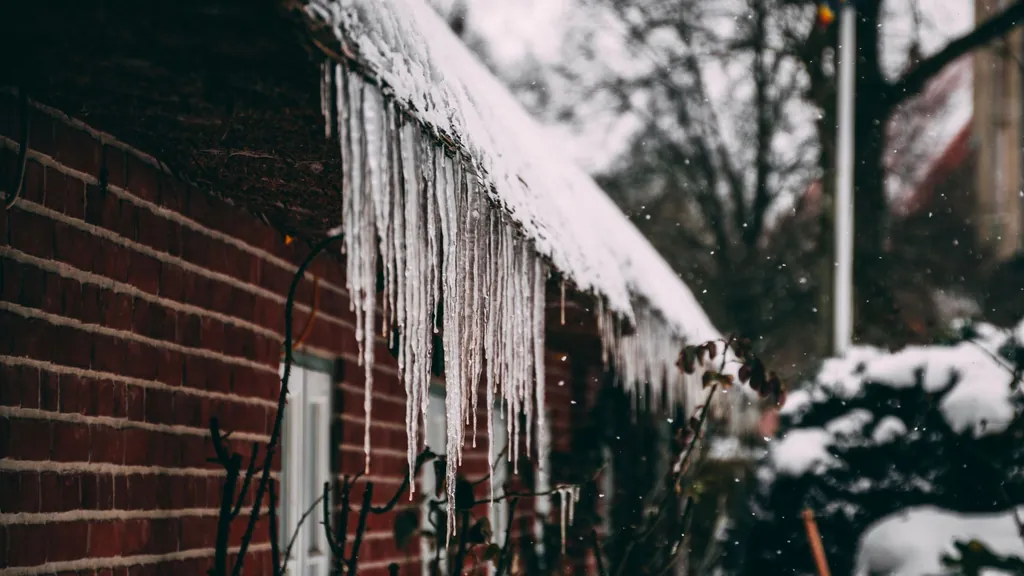
This guide was drafted with AI writing tools, working from the sources listed on this page. A separate fact-checking pass opened every cited source and checked each number, threshold and instruction against it; anything a source did not support was rewritten or removed. This page was reviewed by Marcus L. Barber on November 15, 2026. The photo is a licensed stock photo from Pexels (credit under the photo). It is not a photo of Marcus's home.
Home Water Damage Help is another site published by Marcus L. Barber.
This page has not been reviewed by a licensed electrician or food-safety professional. See our editorial standards. Spot an error? Email partners@digitalsolomon.com.